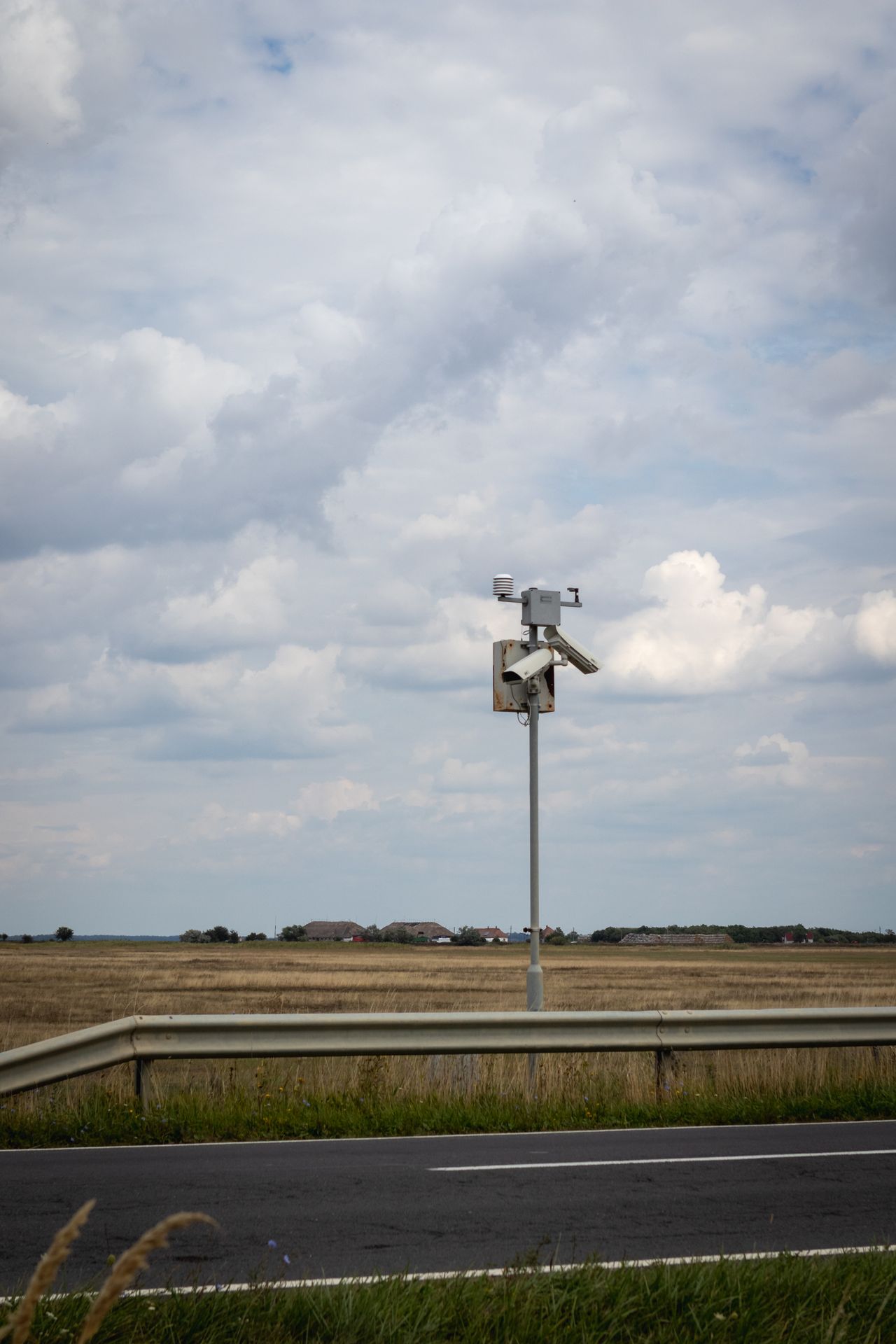
There are no fixed speed cameras on the Isle of Wight. Unlike most mainland counties, the island has no Gatso, Truvelo, or similar permanently installed camera units on any public road. However, enforcement is very much active — through mobile units, community speed watches, and the simple fact that speed limit transitions on the island are frequent and can catch drivers off guard.
No Fixed Speed Cameras — But Don't Relax
The absence of fixed cameras does not mean speed goes unchecked. Many drivers who haven't visited the island assume sat-nav speed camera alerts are relevant — they aren't for fixed units (there are none), and app databases sometimes show phantom IoW camera locations that don't exist. Ignore those alerts.
What does exist:
Note: Sat-nav speed camera alerts are not reliable on the Isle of Wight — they may show cameras that don't exist or miss enforcement that does. Observe the road signs, not the app.
Mobile Speed Enforcement
Hampshire and Isle of Wight Police conduct regular mobile speed checks using vans, handheld devices, and unmarked vehicles. Mobile enforcement patterns on the island include:
- A3054 Newport to Ryde road — a frequently used route for mobile checks, particularly near the 30/60 transitions
- A3020 Newport to Shanklin road — monitored regularly
- Rural A and B roads — mobile units are deployed on rural roads, particularly during periods of high summer traffic
- School zones — mobile checks around school opening and closing times
Hampshire Police publish enforcement activity in broad terms; specific advance warning of mobile checks is not provided.
Average Speed Cameras in Roadworks
Temporary average speed cameras are sometimes deployed in active roadworks on IoW roads. These are signed at the start of the works zone and removed once roadworks end. When roadworks average speed cameras are in operation, they apply 24 hours a day including nights and weekends.
Check road signs carefully when approaching any roadworks on A-roads.
Speed Limit Transitions — The Key Hazard
On the Isle of Wight, rapid speed limit changes catch drivers more often than cameras do. The pattern:
National speed limit (60mph) → 30mph village zone
This transition can happen within a matter of metres entering some IoW settlements. Examples:
- Entering Godshill from the B3327: national speed limit drops to 30mph at the village sign
- Entering Brading from the A3055: fast approach road, quick drop to 30mph
- B-roads and minor roads through Shorwell, Chale, Whitwell — unclassified rural lanes feeding directly into village 30mph zones
The rule: Reduce speed when you see the village name sign. That's the start of the 30mph zone. Don't wait for a 30mph roundel before slowing.
Speed Limits by Road Type on the IoW
| Road Type | Standard Limit |
|---|---|
| Motorway | N/A — no motorway on IoW |
| Dual carriageway | 70mph (one short section exists on the island) |
| Single carriageway A-road | 60mph (national speed limit) |
| B-road and minor road | 60mph unless signed otherwise |
| Village / town street | 30mph (unless otherwise signed) |
| Residential zones | Often 20mph |
| School zones | Variable — sometimes 20mph in term time |
The island's 20mph zones in residential areas have expanded significantly in recent years, particularly in Newport, Ryde, and Cowes.
Community Speed Watch
Community Speed Watch is active on the Isle of Wight. Trained volunteers operate handheld speed meters on roads that communities have identified as having speeding problems. Data is passed to police, and drivers recorded speeding may receive warning letters.
Community Speed Watch operates across many IoW villages and residential areas. It's worth being aware that enforcement is not only police-led.
Practical Advice
There are no fixed speed cameras on the IoW — but don't speed. Mobile enforcement, community speed watches, and average speed cameras in roadworks all apply. The absence of Gatso-style fixed cameras is not a green light.
Speed limit repeater signs in 30mph zones are regular — you won't be unclear about the limit if you're paying attention.
Rural roads — 60mph is the limit, not the target. Many IoW rural roads have poor sightlines, passing places, and potential for animals, cyclists, or pedestrians. Driving at or near 60mph on narrow rural lanes is technically legal but practically dangerous.
In town — the 20mph zones are enforced. Particularly Newport residential streets and school zones.
Frequently Asked Questions
Are there any fixed speed cameras on the Isle of Wight? No. The Isle of Wight has no Gatso, Truvelo, or similar permanently installed fixed speed cameras on any public road. This is unusual compared to most mainland counties. Sat-nav speed camera alerts are unreliable on the island — databases sometimes show phantom camera locations that don't exist, and they may miss active enforcement that does exist. Ignore them and observe road signs instead. The absence of fixed cameras does not mean speeding is tolerated or undetected.
How is speeding enforced on the Isle of Wight? Hampshire and Isle of Wight Police operate regular mobile speed checks using vans, handheld devices, and unmarked vehicles. Frequently monitored routes include the A3054 Newport to Ryde road (particularly near 30/60 transitions), the A3020 Newport to Shanklin road, rural A and B roads during high summer traffic, and school zones around opening and closing times. Community Speed Watch volunteers also operate handheld speed meters on village roads, passing data to police — drivers recorded may receive warning letters.
Are sat-nav speed camera alerts reliable on the Isle of Wight? No — treat them as unreliable for IoW driving. App databases sometimes show fixed camera locations on the island that simply don't exist, and they miss the mobile enforcement and community speed watch that does operate. Don't rely on alerts to tell you when to slow down. The reliable approach: observe road signs carefully, reduce speed when you see a village name sign (that marks the start of the 30mph zone, not when a roundel appears), and treat rural lanes at their posted limit.
What speed limits apply on Isle of Wight roads? Single carriageway A-roads: 60mph national speed limit unless otherwise signed. B-roads and minor roads: 60mph unless signed. Village and town streets: 30mph starting from the village name sign — not from a 30mph roundel. Residential zones: often 20mph, particularly in Newport, Ryde, and Cowes. School zones: sometimes 20mph in term time. There is no motorway on the island; one short dual carriageway section allows 70mph. Speed transitions can happen within metres of entering a village — the most common cause of inadvertent speeding on the IoW.
What happens if I'm caught speeding on the Isle of Wight? The same penalties as anywhere in the UK apply. A fixed penalty notice is typically £100 and 3 points on your licence for speeds up to the court referral threshold. Higher speeds result in a court summons and potentially larger fines (up to 150% of weekly income), more points, or disqualification. Speed awareness courses are offered at police discretion for lower-end speeding as an alternative to points. Community Speed Watch encounters result in warning letters rather than fixed penalties, but persistent offending can prompt direct police follow-up.
Related: Quirks of driving on the Isle of Wight · Parking on the Isle of Wight · Car insurance guide