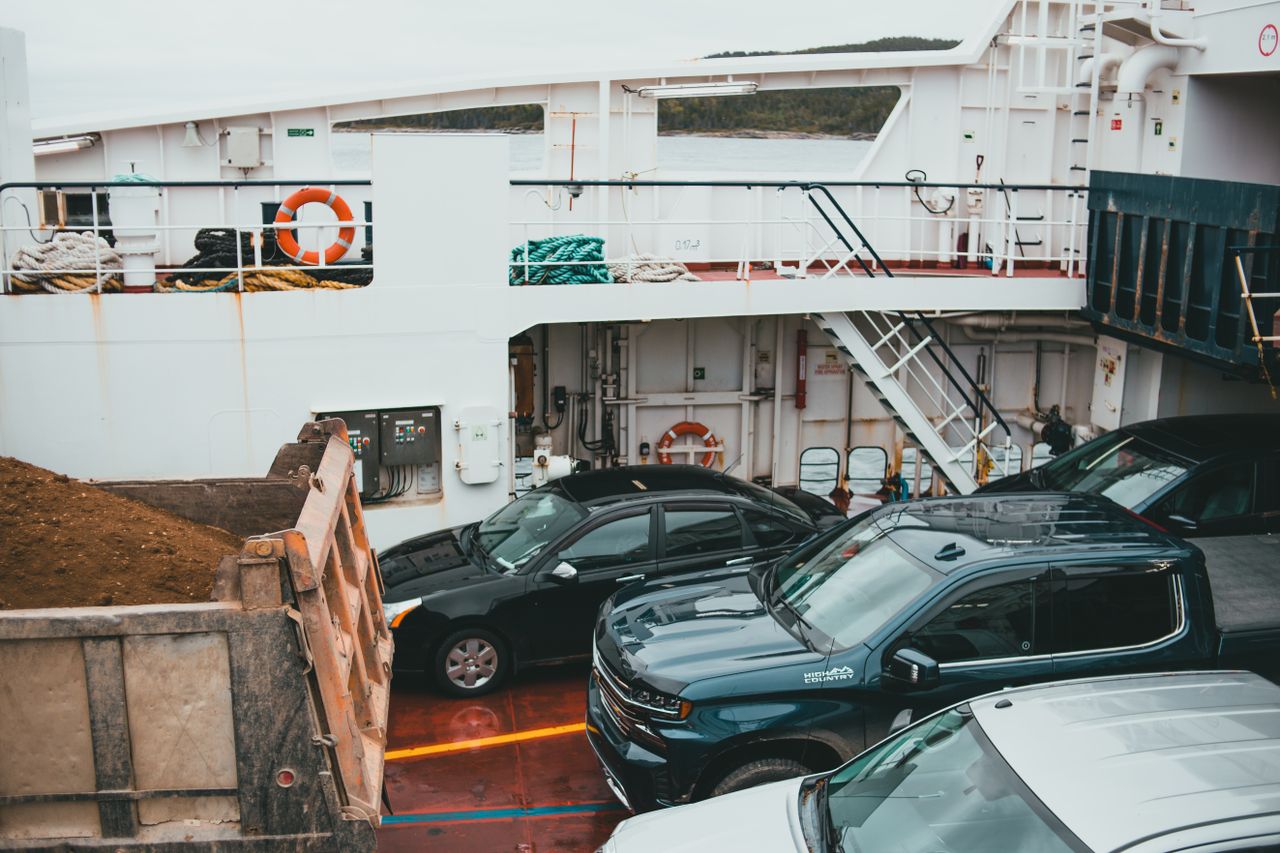
Bringing a car to the Isle of Wight costs money — often more than first-time visitors expect. A return vehicle crossing can cost anywhere from £80 to £180+ depending on the route, time of year, and how far in advance you book. Whether that's worth paying depends entirely on your trip.
This guide covers the real costs and the honest alternatives.
What Does It Actually Cost to Take a Car?
| Operator | Route | Off-Peak Car (one way) | Peak Car (one way) |
|---|---|---|---|
| Wightlink | Portsmouth–Fishbourne | ~£40–50 | ~£70–88 |
| Wightlink | Lymington–Yarmouth | ~£35–45 | ~£55–68 |
| Red Funnel | Southampton–East Cowes | ~£42–52 | ~£65–80 |
These prices are for the vehicle alone. Each adult passenger pays separately — typically £13–£15 each way. A family of four with a car in peak summer can easily pay £180+ for a single crossing.
Return costs roughly double, minus small discounts for booking a return ticket together.
Important: Prices change each season. Always check the operator's website for current fares before planning. Use our ferry cost calculator for a quick estimate.
When Bringing Your Car Makes Sense
You're staying somewhere rural. The Isle of Wight's best spots — Brighstone, Chale, Godshill, Shalfleet, Mottistone — are poorly served by public transport. If your accommodation isn't near a bus route, a car is genuinely necessary.
You're travelling with young children or elderly passengers. Carrying luggage, buggies, or mobility equipment across foot-passenger gangways and onto hovercraft or fast-cat services is challenging. A vehicle makes the whole trip far easier.
You're visiting for more than four days. Once you're staying longer than a long weekend, the daily flexibility of having a car adds up. Island bus services are limited after 6pm, and taxis from rural areas carry a premium.
You need to carry gear. Surfers, cyclists (bikes on foot-passenger services have fees and limits), golfers, divers, walkers with large rucksacks — anyone with bulky equipment benefits from the boot of a car.
You're making multiple stops. The island has 160+ square miles to explore. A car lets you do Osborne House in the morning, The Needles at lunch, and Ventnor in the afternoon. Without one, you're limited by bus timetables.
When You're Better Off Leaving Your Car Behind
You're staying in Newport, Ryde, or Cowes. These towns are walkable and have reasonable bus connections. Parking in Newport town centre costs money and adds hassle. Travelling as a foot passenger is significantly cheaper and often faster.
You're going for a long weekend in summer. Peak weekend bookings fill up months in advance. If you can't get a convenient time slot, travelling without a car avoids ferry stress entirely. The hovercraft Ryde–Southsea crossing takes under 10 minutes and runs frequently.
You're on a tight budget. A family of four can cross as foot passengers for £50–60 return total — versus £180+ with a car. The saving might more than cover car hire on the island for part of the trip, or Southern Vectis day rover passes for all.
Alternatives to Bringing Your Car
Southern Vectis Bus Network
The island's main bus operator runs an extensive network connecting Newport, Ryde, Sandown, Shanklin, Ventnor, Cowes, and most towns. Day rover tickets cost around £11 (app) or £11.30 (paper ticket) per adult. Frequency drops sharply in the evening and on Sundays.
Island Coaster (Seasonal)
The open-top bus routes running coastal paths in summer months are a tourist highlight in themselves — not just a transport option.
Taxis and Private Hire
Competitive for point-to-point trips if there are two or more of you. Newport to Ryde typically costs £10–15 for a cab. Booking apps like Uber have limited coverage on the island; call local firms directly.
Car Hire on the Island
Several local hire companies operate on the island. Prices for a small car start from around £40–60 per day in low season, higher in summer. This can make more sense than ferry costs for short stays.
Cycling
The island has an excellent network of cycling routes (the Round the Island Cycle Route is 65 miles). Electric bike hire is available. For physically fit visitors, it's a genuinely practical option.
Moving to the Isle of Wight?
If you're relocating rather than visiting, bringing your existing car over once makes total sense. But buying locally avoids the crossing fee and means you're starting with a car that's already been registered on the island.
Frequently Asked Questions
How much does it cost to take a car on the Isle of Wight ferries? Prices vary by operator, route, season, and advance booking. Broadly: Wightlink Portsmouth–Fishbourne costs £40–50 off-peak to £70–88 at peak summer (one way, vehicle only). Wightlink Lymington–Yarmouth is slightly cheaper. Red Funnel Southampton–East Cowes runs £42–52 off-peak to £65–80 peak. Each adult passenger pays separately on top — typically £13–15 per person each way. A family of four with a car in peak summer can easily pay £180+ for a single crossing. Always check the operator's website for current fares.
Is it worth bringing a car for a short trip to the Isle of Wight? For short breaks staying in Newport, Ryde, or Cowes, leaving the car behind is usually the better call. Foot passenger crossings cost £13–15 per person versus £40–88+ for a vehicle, and these towns are walkable with reasonable bus connections. The hovercraft Ryde–Southsea takes under 10 minutes and runs frequently. For rural stays, visits of 4+ days, trips with young children or lots of gear, or if you want to explore all 160+ square miles, a car becomes worthwhile — the island's best spots are poorly served by public transport.
What are the alternatives to bringing a car to the Isle of Wight? Southern Vectis buses connect Newport, Ryde, Sandown, Shanklin, Ventnor, Cowes, and most towns — day rover tickets cost around £11. Taxis are competitive for point-to-point trips (Newport to Ryde: £10–15). Local car hire from around £40–60 per day in low season can make more financial sense than ferry costs for short stays. Cycling is a genuine option — the island has an excellent network including the 65-mile Round the Island route, and electric bike hire is available.
How much do foot passengers pay on the Isle of Wight ferries? Typically £13–15 per adult each way on Wightlink and Red Funnel. The Ryde–Southsea Hovercraft (operated by Hovertravel) is often cheaper and faster — check their website for current fares. A family of four crossing as foot passengers can pay £50–60 return total, versus £180+ with a vehicle. The saving can fund car hire on the island for part of the trip, or Southern Vectis day rover passes for all.
If I'm moving to the Isle of Wight, should I bring my car or buy locally? Both work, with different trade-offs. Bringing your existing car over once is a one-off cost (£40–88 one way) and you keep a car you know. Buying locally saves the crossing fee, gives you a car that's spent its life on the island — typically lower annual mileage than mainland equivalents — and avoids transporting a vehicle you may not keep long-term. If you're in the market for a different car anyway, buying on the island makes obvious sense. Browse WightWheels to see what's available locally before committing to a mainland purchase you'll then need to ferry over.
Browse cars for sale on the Isle of Wight →
Related: Ferry buying logistics guide · Buying a car on the mainland to bring over · Ferry cost calculator