The Isle of Wight has 500 miles of public roads crammed into 147 square miles of island. There's no motorway, just one short dual carriageway section, and a road network that developed organically over centuries before modern traffic planning existed. Driving here is genuinely different — and if you've just moved from the mainland or are visiting with a car for the first time, some things will surprise you.
There Is No Motorway
The Isle of Wight is one of the very few places in England with no motorway access whatsoever. There is one short dual carriageway section on the island, but the vast majority of roads are single carriageway with a 60mph national speed limit — or 30–40mph in towns and villages.
What this means for new drivers: The island is an ideal place to build confidence before tackling motorway driving. The flip side is that young drivers who pass their test here may feel anxiety when they eventually need to use the M27 or M3 after crossing to the mainland.
What this means for mainland visitors: Don't expect motorway-speed travel anywhere on the island. Plan journey times based on 30–50mph averages on most routes.
Narrow Lanes and Passing Places
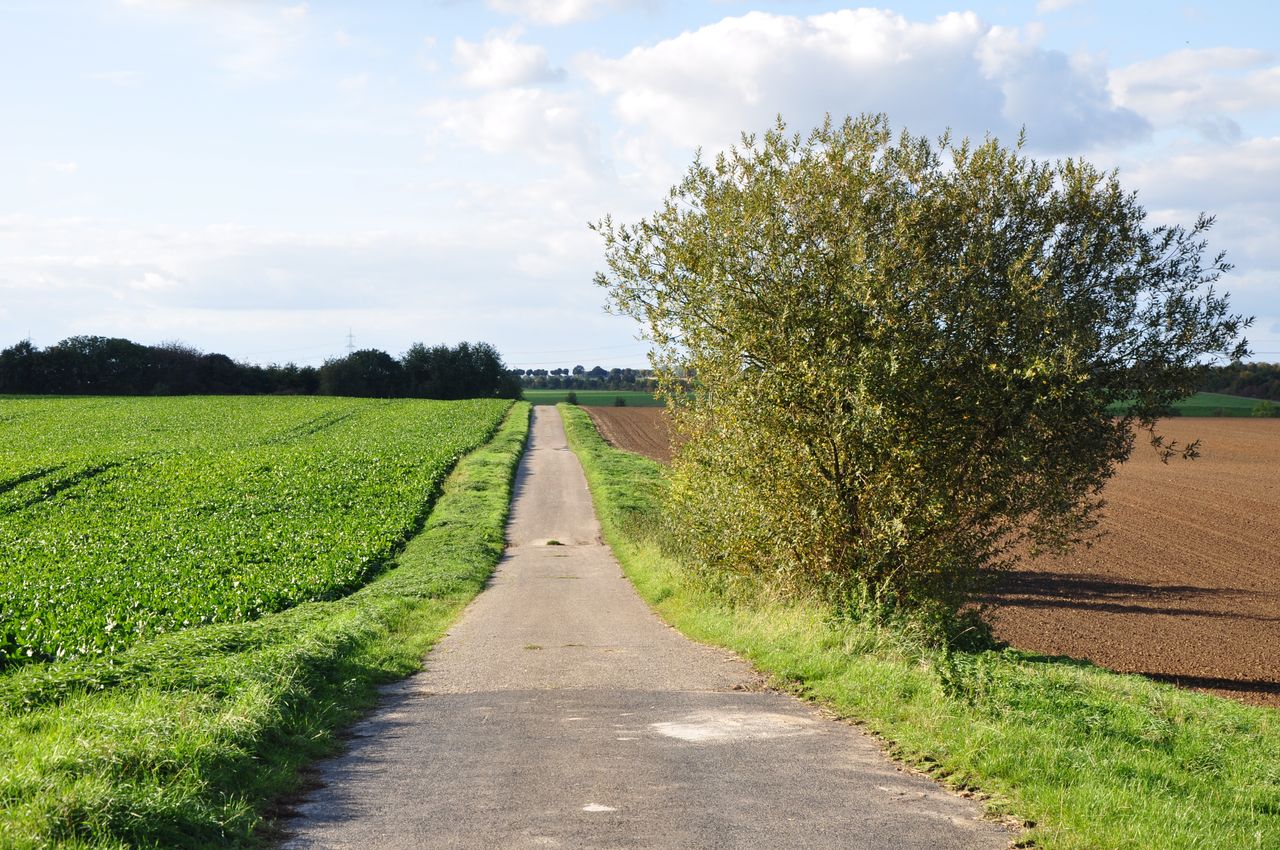
The most common complaint from first-time drivers on the island is the single-track lanes. Large sections of the island — particularly in the west and south (Brighstone, Chale, Shorwell, Mottistone, Brook) — are accessed via single-vehicle-width roads with infrequent passing places.
The etiquette:
- The vehicle nearer the passing place backs up, regardless of direction of travel
- Eye contact, a nod, or a hand-raise acknowledges the yield — this is expected
- Don't stop in the middle of a narrow lane unless you're pulling into a passing place
- Tractors and farm vehicles have priority on agricultural roads — they're working
Practical tip: When you see a passing place ahead, look in your mirror for oncoming traffic. If you can make it to the passing place first, do so. Don't stop short of the passing place and block the flow.
Animals on Roads
It's not just theoretical — you will encounter animals on Isle of Wight roads.
Horses: Common year-round, especially around Brighstone, Gatcombe, and rural lanes. Pass at walking pace (no faster than 10mph) with maximum clearance and no sudden revving or hooting. Give horses as much space as you'd give a cyclist.
Cattle: On certain lanes near farms — Newchurch, Rookley, Chale area — cattle crossing from field to field is normal. Stop, wait, proceed when clear. Don't sound your horn.
Pheasants and wildlife: Woods around Parkhurst Forest produce regular pheasant incidents, especially at dawn and dusk. They're notoriously bad at deciding when to run. Slow down near wooded areas.
20mph Zones Are Everywhere
Newport, Ryde, Sandown, Shanklin, Cowes, and most residential areas now have extensive 20mph zones. Traffic cameras, police enforcement, and community speed watches are active across the island.
The transition from national speed limit (60mph) to a village 20mph zone can happen within 200 metres — pay attention to signs entering settlements.
Summer Traffic Is Different
Between June and September, the island's population roughly doubles due to tourism. The road network doesn't expand.
Bottlenecks to expect:
- Ryde seafront in summer mornings (arrivals from hovercraft and ferry)
- Yarmouth to Newport road (A3054) on summer Saturdays
- Sandown and Shanklin town centres in peak afternoon
- Routes to The Needles — particularly Alum Bay — on Bank Holidays
Tip: If you're travelling on a summer Saturday, plan to move early morning or after 7pm. The middle of the day is the worst.
Speed Drops Come Quickly
Unlike many mainland roads where limit changes are gradual, island roads can drop from 60mph to 30mph as you enter a village with minimal warning. Speed limit repeater signs are common, but the first sign can appear at the same time as the new limit.
Make a habit of checking your speedometer when approaching any settlement, and watching for limit signs.
Fuel Stations Are Fewer Than You Think
The island has a limited number of fuel stations, and several rural areas are a significant drive from the nearest pump. Running low on fuel is a bigger problem here than in a mainland town where there's usually a garage within a mile.
Habit to develop: Fill up when you drop to a quarter tank rather than waiting for the warning light. The nearest garage might be further than you expect — especially in the west of the island.
Hill Starts Are Non-Negotiable
Ventnor, Bonchurch, Godshill, and numerous other settlements involve steep hills with junctions. You will need a confident hill start. If your clutch control is shaky, practise on a quiet incline before you need it in traffic.
Hill descents can also catch out unfamiliar drivers. Engage a lower gear on long descents rather than riding the brakes.
The Roads Are Generally Better Than They Look on Maps
The island's road network looks twisty and narrow on maps — and parts of it are. But the main A-roads (A3054, A3055, A3020, A3021) are well-maintained and reasonable driving. The IoW Council has an active road maintenance programme and potholes, while not absent, aren't as bad as some mainland rural areas.
Frequently Asked Questions
Are the roads on the Isle of Wight good? Better than they look on a map. The main A-roads (A3054 Newport to Ryde, A3055 coastal road, A3020 Cowes to Newport) are well-maintained and perfectly reasonable to drive. The IoW Council has an active road maintenance programme and potholes, while present, are not significantly worse than mainland rural roads. What surprises people is not road quality but road character: no motorway, one short dual carriageway section, lots of single-carriageway national-speed-limit roads, and a dense network of narrow country lanes in the west and south.
What should I know about driving on narrow Isle of Wight lanes? Single-track lanes are widespread, especially in the west and south (Brighstone, Chale, Shorwell, Mottistone, Brook). The etiquette is simple: the vehicle nearer a passing place backs up regardless of direction. Eye contact and a hand-raise acknowledge the yield — this is expected and normal. When you see a passing place ahead, check your mirror for oncoming traffic and make it to the space rather than stopping short of it. Tractors have priority on agricultural roads — they're working. Visitors in large hire cars or unfamiliar SUVs cause most of the problems on narrow lanes; if you're driving a wider vehicle, allow more time.
How bad is the summer traffic on the Isle of Wight? Significantly worse than the rest of the year. Between June and September the island's population roughly doubles due to tourism, but the roads don't expand. Key bottlenecks: Ryde seafront on summer mornings when hovercraft and ferry arrivals surge; the A3054 Yarmouth to Newport road on summer Saturdays; Sandown and Shanklin town centres in peak afternoon; and routes to The Needles at Alum Bay on Bank Holidays. The simplest mitigation is timing — travelling before 9am or after 7pm avoids the worst of it. Planning journeys for off-peak periods saves considerable time in July and August.
Do I need to worry about animals on Isle of Wight roads? Yes — this is a genuine and regular occurrence, not a theoretical warning. Horses are common year-round around Brighstone, Gatcombe, and rural lanes — pass at walking pace (no faster than 10mph) with maximum clearance and no sudden acceleration or horn use. Cattle cross between fields near Newchurch, Rookley, and Chale — stop, wait, don't use the horn. Pheasants near Parkhurst Forest are notorious for poor road-crossing decisions, especially at dawn and dusk — slow down near wooded areas. Most incidents happen because drivers aren't expecting animals and are travelling too fast on quiet lanes.
Is there a motorway on the Isle of Wight? No — the Isle of Wight is one of very few places in England with no motorway access whatsoever. There is one short dual carriageway section on the island, but the overwhelming majority of roads are single carriageway. This has practical implications: diesel cars relying on motorway runs for DPF regeneration will struggle; and new drivers who pass their test on the island may need to specifically prepare for motorway driving before their first mainland trip. For residents, this simply becomes normal — island driving is fundamentally about varied lower-speed roads rather than sustained high-speed motorway travel.
Related: Newport driving test guide · Parking on the Isle of Wight · Speed cameras on IoW