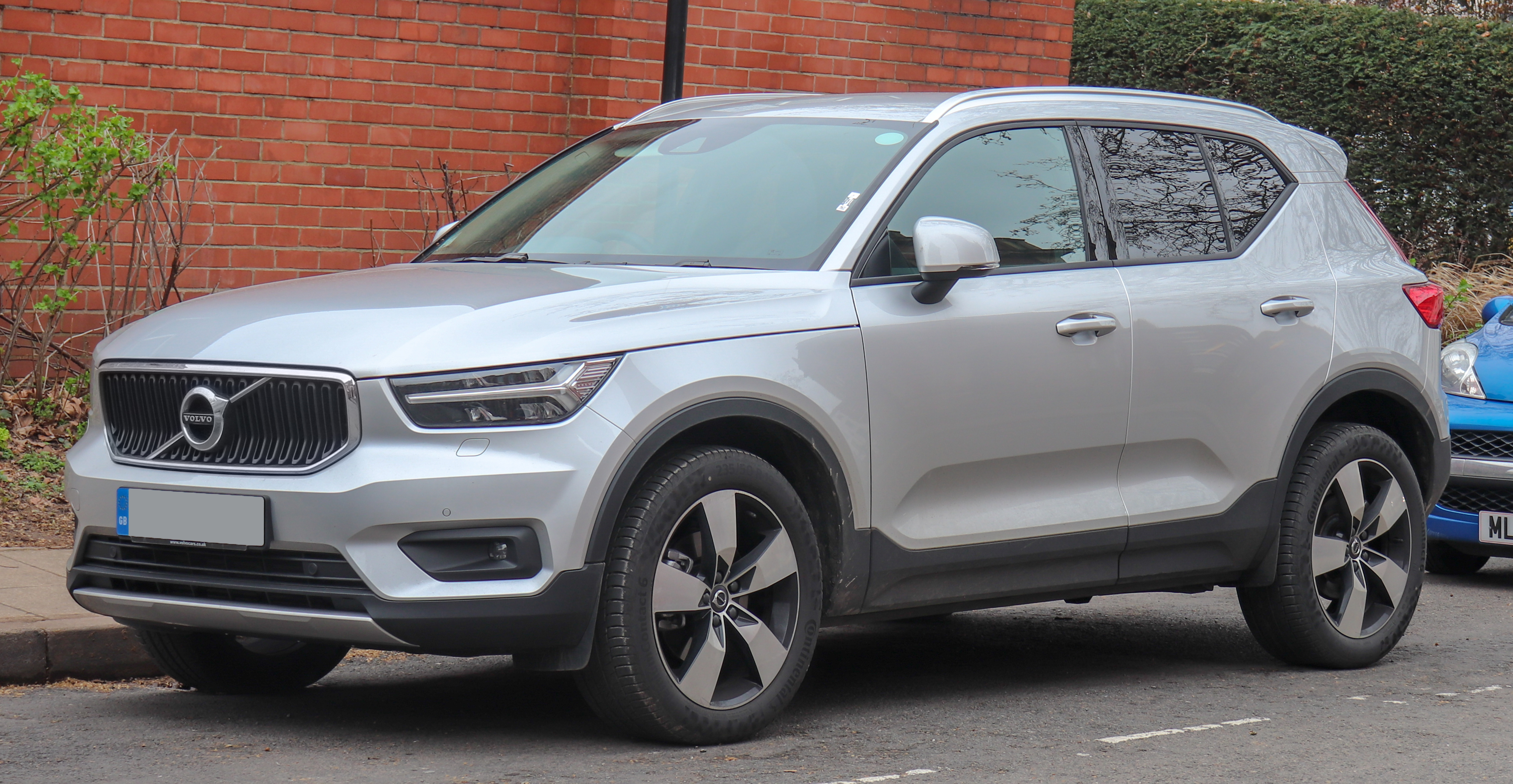
The Volvo XC40 arrived in 2017 as the Swedish brand's entry into the compact premium SUV segment and immediately set the safety benchmark. Five-star Euro NCAP on launch, class-leading standard safety equipment (Pilot Assist, City Safety, Run-off Road Protection), and a genuinely distinctive Scandinavian interior — it stood apart from the German competition. On the Isle of Wight, the XC40 makes particular sense: the mild hybrid B-series engines suit the island's stop-start driving, the compact 4.43m footprint works on narrower lanes, and the Recharge pure electric version is worth considering for island-only use.
Browse Volvo XC40 listings on WightWheels →
Which Version to Buy?
T3/T4/T5 petrol (2017–2019): The original petrol engines. The T5 (247bhp, AWD) was the performance option. These cars are now available at lower prices but lack the efficiency improvements of the later B-series engines. Fine mechanically, but the T4/T5 dual-clutch gearbox on some early cars had reliability issues — check for smooth gearchanges and any gearbox-related service history.
D3/D4 diesel (2017–2019): The diesel option. Worth avoiding for mainly-local IoW use for the same DPF reasons as any small diesel in stop-start conditions. Diesel demand on the XC40 was low even new — petrol and eventually mild hybrid alternatives are more practical.
B3/B4/B5 mild hybrid petrol (2019+): The version to target for most IoW buyers. The 48V mild hybrid system improves fuel economy in the exactly the conditions the island presents — low speed, frequent stops, gradients. B4 (197bhp, FWD or AWD) is the sweet spot. B5 (250bhp, AWD) adds performance without adding complexity. These engines are smoother and more efficient than the older T-series.
Recharge Pure Electric (2021+): The full BEV version with 418–452km WLTP range. For an IoW-only car, this is an excellent choice — most island journeys are under 20 miles and home charging covers everything. The Recharge is expensive at £30,000+ used but the ownership costs are low, and driving an EV on the island is genuinely practical given the short distances. No petrol station runs, no servicing complexity.
Known Issues to Check
Early dual-clutch gearbox (T4/T5, 2017–2019): The 7-speed DCT fitted to some early T4 and T5 models developed low-speed judder and hesitation. Software updates helped but some cars still show symptoms. Test thoroughly in slow traffic — smooth, seamless changes are the standard. If you detect hesitation or lurching, investigate further before buying.
Tailgate squeak/rattle: A minor but persistent annoyance on some XC40s — the tailgate can develop a squeak on rough roads. Check during the test drive on IoW's bumpier surfaces. Fixing it usually requires dealer attention and can take multiple visits.
BLIS blind spot sensor degradation: The XC40's Blind Spot Information System uses sensors in the rear bumper. These can be affected by minor bumper damage or repainting — check that BLIS is functioning correctly during the test drive.
XC40 vs Audi Q3
| Volvo XC40 B4 | Audi Q3 45 TFSI | |
|---|---|---|
| Safety rating | 5★ Euro NCAP | 5★ Euro NCAP |
| Boot | 460L | 530L |
| Standard safety tech | Extensive | Less standard |
| Mild hybrid | Yes (B4/B5) | No |
| IoW lane suitability | Excellent (4.43m) | Good (4.48m) |
| Typical used price (2021) | £22,000–£28,000 | £24,000–£32,000 |
The XC40 leads on standard safety equipment and mild hybrid efficiency. The Q3 has a larger boot and slightly higher prestige value on resale. For IoW buyers who prioritise safety and running economy, the XC40 is the stronger choice.
IoW Buying Tips
The XC40's safety technology — including City Safety (autonomous emergency braking), Pilot Assist, and Run-off Road Protection — is genuinely reassuring on the island's varied roads, including the narrow rural lanes where other cars appear without warning.
The B4 mild hybrid in FWD configuration is the right choice for most IoW buyers — the AWD option adds cost and is unnecessary for island roads in normal conditions. The island doesn't see enough snow or ice to justify AWD over FWD for most drivers.
Check the panoramic roof drainage if the car has the optional sunroof fitted — a Volvo-specific concern on panoramic roofs where blocked drainage can allow water ingress.
Budget Guide
| Budget | What to Expect |
|---|---|
| £14,000–£18,000 | T4/T5 petrol, 2018–2019, 40,000–70,000 miles |
| £18,000–£24,000 | B3/B4 mild hybrid, 2020–2021, 30,000–60,000 miles |
| £24,000–£32,000 | B4/B5 MHEV, 2021–2023, lower mileage |
| £30,000–£42,000 | Recharge Pure Electric, 2021–2023 |
Frequently Asked Questions
Is the Volvo XC40 good for Isle of Wight driving? Yes — the XC40's compact 4.43m length suits island lanes well, and the B4 mild hybrid's efficiency is well-matched to the island's shorter, stop-start journeys. The class-leading safety technology (autonomous braking, lane assist, blind spot monitoring) is reassuring on IoW's rural roads where visibility can be limited. The Recharge electric version is an excellent IoW-only car given the island's short distances.
Which XC40 engine is best for IoW use? The B4 mild hybrid petrol (197bhp, FWD) is the best all-round choice for island buyers. No DPF concerns, better fuel economy than the older T-series engines in stop-start conditions, and the mild hybrid assist reduces fuel consumption on IoW gradients. The Recharge EV is the best choice if you have home charging — it's perfectly suited to island distances with no range anxiety concerns.
Should I avoid the early dual-clutch XC40? Be cautious. The 7-speed DCT fitted to early T4/T5 XC40s (2017–2019) developed low-speed judder issues that weren't always fully resolved by software updates. If you're looking at a T4 or T5, test the gearbox thoroughly in slow traffic before buying. Later B-series cars use a conventional automatic gearbox without these concerns.
How does the XC40 compare to the Range Rover Evoque? The XC40 wins on safety technology, running costs (mild hybrid efficiency), and value retention. The Evoque wins on desirability, brand prestige, and off-road capability. Both are similar in size (XC40 at 4.43m, Evoque at 4.37m). For IoW buyers who prioritise practical ownership over luxury brand image, the XC40 is arguably the more rational choice — but the Evoque's appeal is hard to ignore.
Is the Volvo XC40 Recharge electric practical on the Isle of Wight? Very practical — arguably more so than almost anywhere else in the UK. The island's daily journey patterns (most trips under 20 miles) mean the 418–452km WLTP range is never tested. Home charging overnight covers everything. The absence of motorways eliminates the main range anxiety trigger for EV owners. The only caveat is the cost: used Recharge examples start around £30,000.
Browse Volvo XC40 listings on WightWheels →
Related: Range Rover Evoque IoW guide · Audi Q5 IoW guide · EV charging on the Isle of Wight