The Toyota Prius is the car that proved hybrid technology could work in the real world. Since 1997, it has gone on to become one of the best-selling and most reliable cars on the planet. On the Isle of Wight, where annual mileage is typically low, average speeds are modest, and fuel costs matter, the Prius makes a strong case for itself. It's not the most exciting car to drive, but it may be one of the most sensible purchases you can make on the island.
Browse Toyota Prius listings on the Isle of Wight →
Which Generation to Choose
Third Generation (2009–2015) The generation that established the Prius as a mainstream choice. The 1.8-litre Atkinson-cycle petrol hybrid is smooth, refined, and extremely reliable. This generation is now affordable secondhand and still delivers impressive fuel economy — 50–60mpg is achievable in real IoW use. Most will have high mileage on the clock, but Toyota hybrids are built to outlast their mileage — 200,000 miles on the original battery is not unusual.
Fourth Generation (2016–2022) A more aerodynamic design and improved hybrid system. Still 1.8-litre but more efficient, with real-world economy often reaching 60–70mpg. Standard safety tech (Toyota Safety Sense) is fitted from launch. These represent the sweet spot on the used market — recent enough to have modern safety kit, affordable enough to make financial sense.
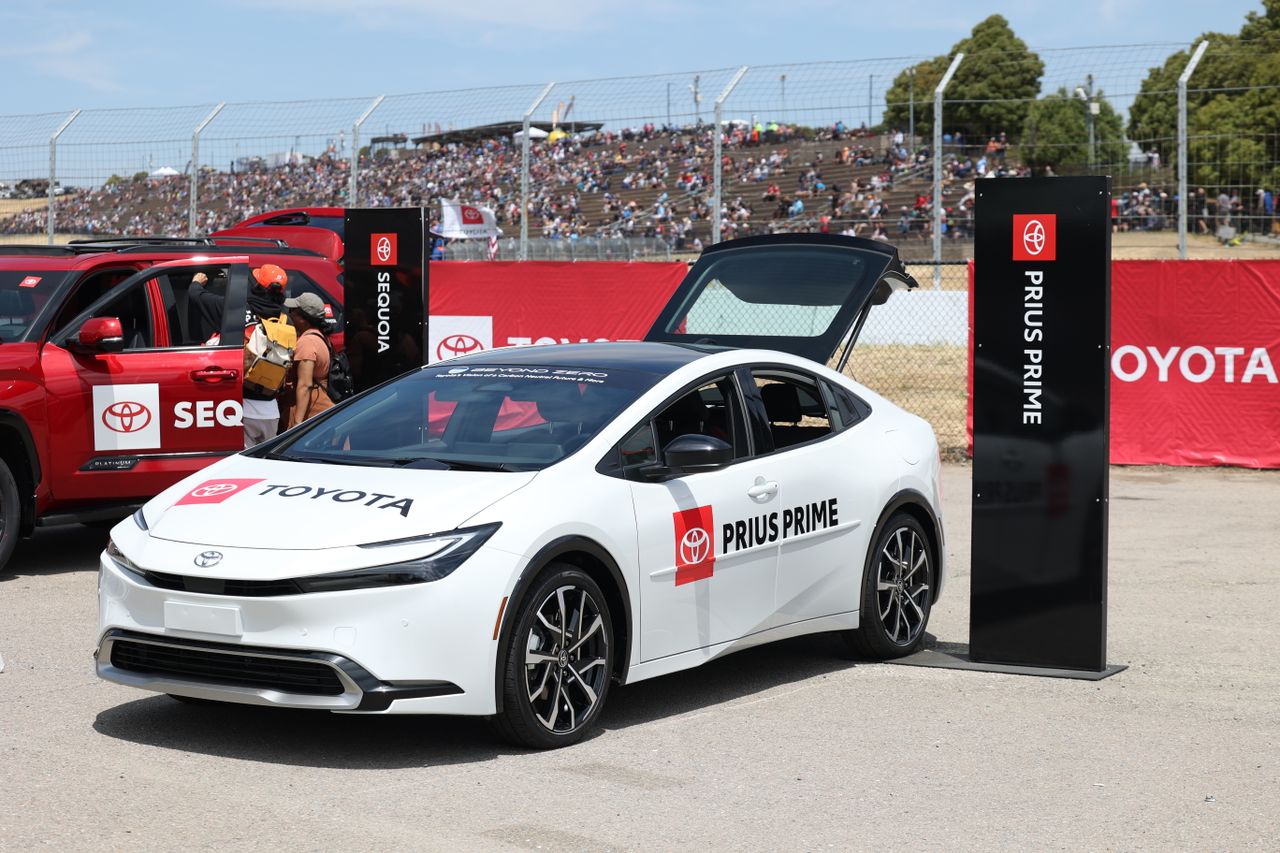
Fifth Generation (2023–present) Substantially redesigned with a sharper look and a larger 2.0-litre hybrid system. Performance is significantly better (0–62 in 6.5 seconds) without losing efficiency. Available as plug-in hybrid (Prius Prime/PHEV) which adds electric-only range — very useful for IoW short trips. These are too new to be cheap secondhand yet but worth considering as they age.
Why the Prius Is Perfect for IoW Life
The Isle of Wight's driving environment is almost uniquely well-suited to hybrid technology:
- Short trips: Hybrids recapture energy when braking and spend more time running on electric power at low speeds. The IoW's short journeys maximise these benefits
- Low average speeds: A Prius on the island's 30–40mph roads will run on electric power significantly more often than on a motorway — meaning genuinely low fuel consumption
- No DPF: Forget diesel particulate filter issues. A petrol hybrid like the Prius thrives on exactly the kind of short, stop-start driving that destroys diesels
- Very low running costs: Insurance is reasonable, fuel economy is outstanding, and reliability means servicing bills are low
Hybrid Battery: Don't Be Scared
The hybrid battery is the most common concern buyers raise about the Prius — and it's largely unfounded:
- Toyota's nickel-metal hydride (NiMH) hybrid batteries are proven over decades of real-world use
- Most original batteries last well beyond 150,000 miles and often beyond 250,000
- A failing hybrid battery will show obvious symptoms: the car falls back to petrol-only mode and fuel economy drops sharply
- Replacement batteries, if ever needed, now cost £800–£1,500 for quality reconditioned units — not the catastrophic expense it once seemed
- Toyota offers extended hybrid battery warranties on certified approved-used vehicles
The 12V auxiliary battery (which starts the hybrid system) does need replacing periodically — typically every 4–6 years. This costs £80–£120 and is a routine maintenance item.
Common Issues to Check
- 12V auxiliary battery: Check when it was last replaced. A flat auxiliary battery means the car won't start at all. Cheap and routine to replace
- Inverter coolant (third gen): The hybrid inverter has its own coolant loop that needs periodic attention. Check service records for inverter coolant top-ups or changes
- Catalytic converter (all generations): The Prius's catalytic converter contains precious metals and is unfortunately a theft target in some areas. Check for any previous theft and whether a replacement has been fitted
- Headlamp condensation (third gen): Minor condensation in the headlamps is reported on some third-gen cars. Usually cosmetic only
What to Pay on the Isle of Wight
- Third gen (2009–2015): £5,000–£10,000
- Fourth gen (2016–2022): £11,000–£20,000
- Fifth gen (2023+): £25,000–£35,000
Plug-in hybrid versions command a premium but offer significantly lower fuel costs if you can charge at home. IoW examples typically have modest mileage — particularly those used mainly for island errands.
Salt Air Inspection
The Prius is generally well protected against corrosion, but IoW salt air still warrants checking:
- Sill ends and lower sills
- Rear wheel arch lips
- Underbody on older third-gen examples
- Around the fuel filler area
Read our full salt air corrosion guide for a complete checklist.
Frequently Asked Questions
Is the Toyota Prius a good car for the Isle of Wight? Yes — arguably one of the most logical IoW car choices available. The Prius's hybrid system is most efficient in exactly the conditions the island provides: low speeds, short journeys, frequent stops. Its electric motor handles Newport and Ryde town centres almost silently and without burning petrol. Real-world fuel economy of 50–70mpg means fuel costs of roughly £25–40/month for typical island mileage. No DPF means no risk from short journeys. Reliability is exceptional even on very high mileage examples. It's not exciting to drive, but as a sensible island daily car it is hard to beat.
Is the hybrid battery reliable on a used Prius? Much more reliable than its reputation suggests. Toyota's nickel-metal hydride hybrid battery is one of the most proven in the automotive industry. Most batteries last well beyond 150,000 miles — 200,000+ mile examples with original batteries are documented. A failing battery shows obvious symptoms: the car falls back to petrol-only mode and fuel economy drops sharply. Replacement, if ever needed, now costs £800–£1,500 for quality reconditioned units from specialists. At typical IoW mileages (4,000–8,000 miles/year), a Prius battery may outlast the rest of the car. Don't let battery fear push you away from a well-maintained example.
Which generation Prius should I buy? The fourth generation (2016–2022) is the used sweet spot — more efficient than the third gen (real-world 60–70mpg), Toyota Safety Sense fitted from launch, and better interior quality. Early 2016–2017 examples are now accessible at reasonable prices. The third generation (2009–2015) is cheaper and still impressive on fuel economy (50–60mpg) — a solid choice for budget buyers. The fifth gen (2023+) is still too new to be affordable secondhand. If you can find a used Prius PHEV (plug-in), it's particularly well-suited to the IoW with electric-only range for most island journeys.
What should I check on a used Toyota Prius? Inverter coolant: the hybrid inverter has its own cooling loop — check service records for coolant attention (particularly on third-gen cars). The 12V auxiliary battery starts the hybrid system; confirm it's been replaced in the last four to six years (a flat auxiliary battery prevents starting — cheap and routine to replace). Check for catalytic converter history — the Prius's converter is unfortunately a theft target on some models; confirm the current unit is original or an approved replacement. Check the bodywork on older IoW examples: sills, wheel arches, and underbody for salt air corrosion.
How much does a Toyota Prius cost on the Isle of Wight? Third gen (2009–2015): £5,000–£10,000. Fourth gen (2016–2022): £11,000–£20,000. Fifth gen (2023+): £25,000–£35,000. Plug-in hybrid versions command a premium of £2,000–£4,000 over equivalent standard hybrid examples, justified by significantly lower fuel costs if home charging is available. IoW examples often have modest mileage, which is particularly valuable on a car where lower mileage also means battery in better condition.
Browse Toyota Prius listings on the Isle of Wight →
Related: Toyota Yaris guide · Toyota RAV4 guide · Toyota Corolla guide