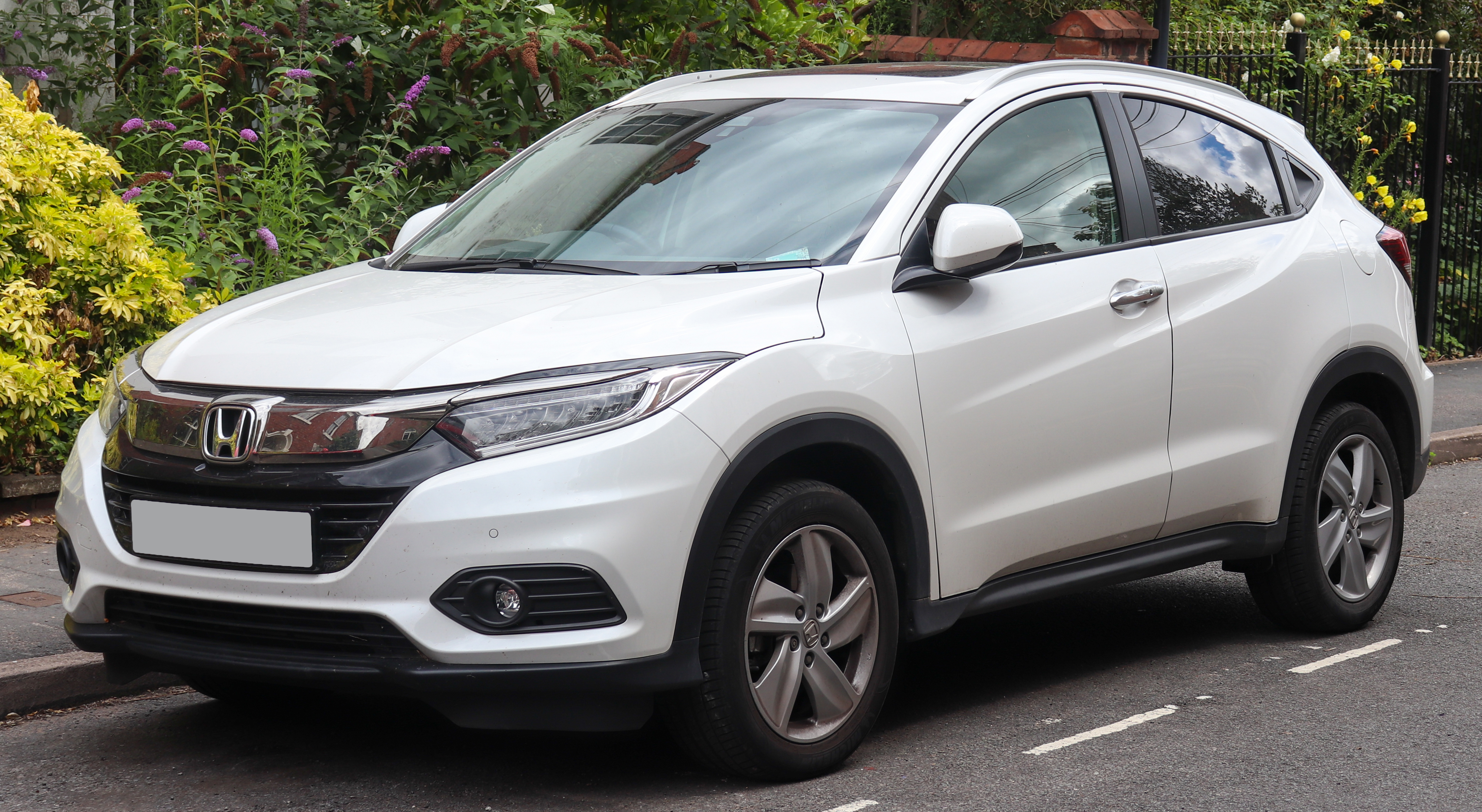
The Honda HR-V is a compact SUV that consistently outperforms its purchase price in reliability surveys, owner satisfaction, and long-term running costs. Less fashionable than the Nissan Qashqai or SEAT Arona, the HR-V's practical interior design — particularly the rear Magic Seat system inherited from the Jazz — and Honda's exceptional engineering reliability make it a strong choice for Isle of Wight buyers who value dependability over badge appeal.
Which Generation to Buy
Second-generation HR-V (2015–2022): The generation that established the HR-V in the UK market. Built on Honda's new Global Small Platform, it was significantly larger and more practical than the first-generation model. The 1.5 i-VTEC petrol is the most common engine and is reliable and economical. Available from around £10,000 for early examples with sensible mileage.
Third-generation HR-V (2022–present): A substantially redesigned car with a more premium interior and — for the first time — a hybrid (e:HEV) powertrain using Honda's two-motor system. The e:HEV is well-suited to the IoW's stop-start character. Very few available used at time of writing; prices start around £22,000.
For most island buyers, the second-generation (2015–2022) offers the best combination of availability, value, and Honda reliability.
The Magic Seat System
The Honda HR-V shares its rear seat design with the Jazz. The "Magic Seats" fold in two ways:
- Up position: The rear seat base folds up like a cinema seat, creating tall floor-to-ceiling space underneath for carrying upright items (plant pots, camera equipment, anything that can't lie flat)
- Flat position: The traditional flat-fold for maximum load length
This system, combined with the HR-V's 393-litre boot, gives unusual cargo flexibility for a compact SUV. For island buyers who carry sporting equipment, kayaks, or tall loads, it's a genuinely useful feature.
Which Engine?
1.5 i-VTEC (130bhp, petrol): The engine in virtually all UK second-gen HR-Vs. A naturally aspirated 1.5-litre — no turbocharger, simpler engineering, and Honda's well-proven reliability from the Civic. Real-world economy of 38–44mpg in mixed island driving. Not the most exciting engine, but exceptionally dependable.
1.6 i-DTEC (120bhp, diesel): Available on some UK models. The Honda diesel is clean and efficient (52–57mpg real-world), but the DPF concern for island short-trip driving applies. Only worth considering if you do regular mainland ferry trips.
e:HEV (third generation, 2022+): Honda's two-motor hybrid system. No plug-in charging — the battery charges through regenerative braking and the petrol engine. Economy of 52–57mpg in real-world island driving. Excellent for island stop-start use.
Why Honda Reliability Matters on the Island
With the IoW's limited access to specialist garages, the HR-V's Honda reliability is more than just a nice-to-have. Honda's naturally aspirated petrol engines in the second-generation HR-V have few known failure modes. The absence of a turbocharger (on the 1.5 petrol) removes one of the most common failure points in modern small engines. 150,000 miles with regular oil changes is achievable without major intervention.
For island buyers who don't want to worry about unexpected repair bills, the HR-V's record is reassuring.
Known Issues to Check
AC compressor (2015–2018 models): Some early second-gen HR-Vs experienced air conditioning compressor failures. Honda issued an extended warranty for affected cars. Check that the air conditioning works correctly at viewing and ask if the recall/extended warranty work has been done.
CVT gearbox (if fitted): Some HR-Vs were sold with Honda's CVT automatic. The CVT is generally reliable but can feel unusual to drivers used to conventional automatics. Test for smooth, progressive acceleration — any shudder is worth investigating.
Cosmetic wear: The HR-V's interior materials are functional but the plastic quality on entry-level trims shows wear more readily than premium alternatives. Door cards and armrests on high-mileage examples may show scuffing.
Rust: The HR-V's corrosion protection is good, but check island-kept examples for salt air rust on door bottoms and rear wheel arches.
HR-V vs Nissan Juke: Which Is Right for IoW?
| Honda HR-V (2nd gen) | Nissan Juke (2019) | |
|---|---|---|
| Boot space | 393 litres | 422 litres |
| Rear seat versatility | Higher (Magic Seat) | Standard |
| Engine reliability | Exceptional | Strong |
| Standard equipment | Good | Good |
| Infotainment | Dated (Android Auto/CarPlay: later models only) | Better |
| Price used (comparable) | Similar | Similar |
The HR-V's Magic Seat and reliability record are its strongest differentiators. The Juke has a better-looking interior on newer models and more modern infotainment.
Budget Guide
| Budget | What to Expect |
|---|---|
| Under £11,000 | Gen 2, 2015–2017, 1.5 i-VTEC, 50,000–90,000 miles |
| £11,000–£16,000 | Gen 2, 2017–2019, 1.5 i-VTEC, 30,000–60,000 miles |
| £16,000–£21,000 | Gen 2 late, 2019–2021, lower mileage, EX or SR trim |
| £22,000+ | Gen 3 e:HEV, 2022+ |
Frequently Asked Questions
Is the Honda HR-V reliable?
Yes — one of the most reliable compact SUVs available used. Honda's naturally aspirated 1.5 i-VTEC engine in the second-generation HR-V has an excellent track record with very few known failure points. The absence of a turbocharger (a common failure on rivals) makes it simpler and longer-lasting. Owner satisfaction scores are consistently high. For IoW buyers who want to buy and not worry, the HR-V is one of the safer choices in the compact SUV class.
What is the Honda Magic Seat in the HR-V?
The Magic Seat is Honda's rear seat system where the rear bench folds in multiple configurations. In the "up" position, the seat base folds up to create a tall floor space ideal for upright items (plants, umbrellas, equipment that won't lie flat). In "flat" mode, the rear seats fold conventionally to maximise luggage length. This versatility — more useful in daily life than it sounds — was borrowed from the Honda Jazz and is a genuine differentiator over rivals.
Is the Honda HR-V good for the Isle of Wight?
Very good. The HR-V's compact footprint (4.35m for the second generation) is well-suited to island lanes and car parks. The elevated driving position improves visibility on hedge-lined roads. Economy from the 1.5 i-VTEC is 38–44mpg in real island driving — reasonable for the class. The reliability record is particularly valuable on the island where specialist garage access is limited. The Magic Seat system is useful for the outdoor-active lifestyle island driving supports.
What is the difference between the Honda HR-V and Honda CR-V?
The HR-V is the smaller compact SUV (4.35m, 393-litre boot). The CR-V is the larger family SUV (4.60m, 497-litre boot) with available seven-seat versions and genuine hybrid from 2018. The HR-V suits single drivers, couples, and smaller families; the CR-V suits larger families or those needing more cargo space. On the island, both work well — the HR-V's smaller size is easier in tighter spots.
Which generation of Honda HR-V should I buy?
The second generation (2015–2022) is the recommended choice for most island buyers — wide availability, proven 1.5 i-VTEC reliability, and good value. The third generation (2022+, e:HEV only) offers an excellent hybrid system but is priced significantly higher with fewer used examples available. Unless budget extends to £22,000+, the second generation is the practical choice.
Browse Honda HR-Vs for sale on the Isle of Wight →
Related: Honda Jazz guide · Honda CR-V guide · Used car inspection checklist